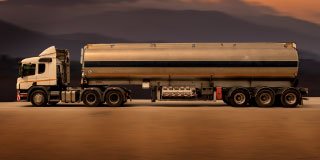
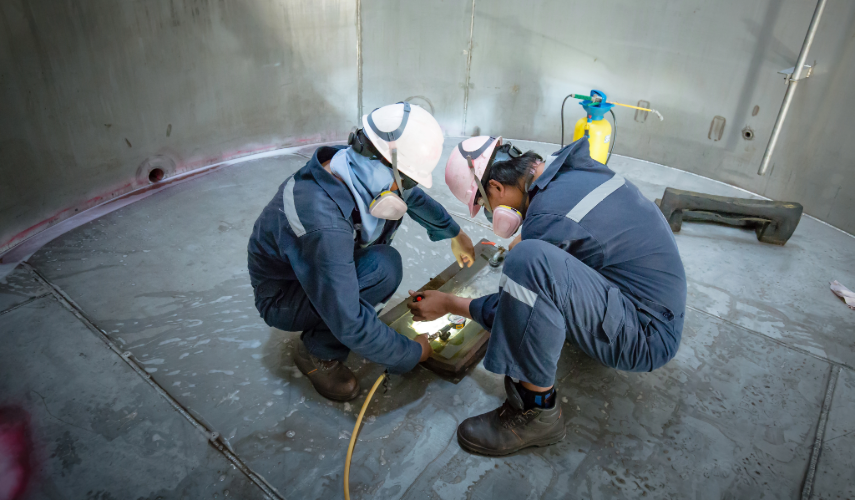
In the petroleum transportation industry, safety is paramount. Ensuring the safe transport of hazardous materials requires continuous innovation and the implementation of cutting-edge technologies. This blog explores the latest advancements in petroleum tanker safety technology that are setting new standards for the industry.
1. Advanced Monitoring Systems
Modern petroleum tankers are now equipped with sophisticated monitoring systems that provide real-time data on various parameters. These systems use sensors to track pressure, temperature, and liquid levels within the tanker. The data is transmitted to a central monitoring hub where operators can promptly detect and address any anomalies, preventing potential hazards before they escalate.
2. Emergency Shutoff Valves
Emergency shutoff valves are critical in preventing spills and accidents. These valves automatically close in the event of an emergency, such as a sudden pressure change or a collision. The latest advancements have made these valves more reliable and responsive, ensuring they activate precisely when needed, minimizing the risk of leaks and explosions.
3. Enhanced Structural Integrity
The materials used in constructing petroleum tankers have seen significant improvements. High-strength alloys and advanced composites enhance the structural integrity of tankers, making them more resistant to impacts and corrosion. This durability ensures that the tankers can withstand harsh conditions and reduce the likelihood of structural failures.
4. Fire Suppression Systems
Fire suppression systems have become more advanced and effective in recent years. Modern systems use a combination of foam, dry chemicals, and water mist to quickly extinguish fires. These systems can be automatically triggered by sensors detecting heat or smoke, providing an immediate response to potential fire hazards.
5. Spill Containment Technologies
Innovations in spill containment technologies have greatly improved the ability to manage accidental releases of petroleum products. Secondary containment systems, such as double-walled tanks and spill containment trays, are now standard. These systems ensure that any leaked material is captured and contained, preventing environmental contamination and reducing cleanup costs.
6. Driver Assistance Systems
Driver assistance systems are designed to enhance the safety of tanker operations. These systems include features like lane departure warnings, collision avoidance systems, and fatigue monitoring. By assisting drivers in maintaining control and awareness, these technologies significantly reduce the risk of accidents on the road.
7. Pressure Relief Devices
Pressure relief devices are essential for maintaining safe pressure levels within the tanker. The latest devices are more precise and reliable, preventing over-pressurization that can lead to ruptures or explosions. These devices automatically release excess pressure, ensuring the tanker operates within safe parameters.
8. Enhanced Loading and Unloading Procedures
Innovations in loading and unloading procedures have improved safety and efficiency. Automated systems ensure that the correct amount of fuel is transferred without spillage. Additionally, these systems are designed to prevent overfilling and ensure secure connections, reducing the risk of accidents during these critical operations.
Conclusion
The safety of petroleum tankers is a top priority, and continuous advancements in technology are making a significant impact. From advanced monitoring systems to enhanced structural integrity, these innovations are setting new benchmarks for safety in the industry. By adopting these technologies, companies can ensure the protection of their cargo, their personnel, and the environment. As the industry progresses, the commitment to safety will remain at the forefront, driving further innovations and setting higher standards for petroleum transportation.