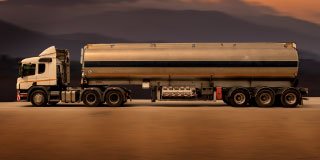
In today’s competitive market, optimizing efficiency and reducing operational costs are critical for any industry, and the petroleum tanker sector is no exception. Innovative design in petroleum tankers plays a pivotal role in achieving these goals. This blog explores how advanced design features contribute to significant fuel cost savings and enhanced performance.
-
Advanced Aerodynamics
-
Optimized Tanker Geometry
-
Lightweight Materials
-
Enhanced Insulation and Coating
-
Innovative Pumping and Loading Systems
-
Real-Time Monitoring and Analytics
-
Sustainable Design Practices
1. Advanced Aerodynamics
Modern petroleum tankers are designed with aerodynamics in mind. Streamlined shapes and aerodynamic enhancements reduce air resistance, leading to lower fuel consumption. By minimizing drag, these designs ensure that tankers operate more efficiently on the road, translating to substantial savings in fuel costs.
2. Optimized Tanker Geometry
The geometry of the tanker plays a crucial role in fuel efficiency. Innovative designs such as elliptical-shaped tanks or improved internal baffle arrangements help in optimizing load distribution and reducing turbulence. This leads to smoother transportation and less fuel wastage caused by erratic load shifts and surge.
Lightweight Materials
The use of lightweight, high-strength materials is a game-changer in tanker design. Advanced composites and high-grade alloys reduce the overall weight of the tanker, which in turn lowers fuel consumption. By decreasing the vehicle's weight, these materials help improve the tanker’s fuel efficiency without compromising durability.
4. Enhanced Insulation and Coating
Improved insulation and coating technologies also contribute to fuel savings. By maintaining optimal temperature conditions within the tanker, these innovations reduce the energy required to heat or cool the contents. This is particularly beneficial for transporting products that are sensitive to temperature variations, such as certain chemicals or fuels.
5. Innovative Pumping and Loading Systems
Modern tankers are equipped with advanced pumping and loading systems that enhance efficiency. Automated systems reduce the time required for loading and unloading, minimizing idle time and fuel consumption. Additionally, precision controls ensure that the right amount of fuel is transferred with minimal waste.
6. Real-Time Monitoring and Analytics
Incorporating real-time monitoring and analytics into tanker design allows for better management of fuel consumption. Sensors and onboard data systems provide valuable insights into fuel usage patterns and vehicle performance. This data helps operators optimize routes, adjust driving behaviors, and make informed decisions to further reduce fuel costs.
7. Sustainable Design Practices
Sustainability is at the forefront of modern design practices. Many new tankers incorporate eco-friendly technologies and practices that reduce their environmental impact. From using recyclable materials to implementing energy-efficient manufacturing processes, these practices contribute to both cost savings and environmental preservation.
Conclusion
Innovative design in petroleum tankers is not just about aesthetics or advanced technology; it’s about making a tangible impact on operational efficiency and cost savings. By embracing these innovations, companies can significantly reduce fuel costs, enhance performance, and stay competitive in a rapidly evolving market. As the industry continues to advance, the focus on optimizing efficiency through design will remain a key factor in driving success and sustainability.